For some people, the decision to start therapy is complicated by concerns about privacy that go beyond the standard expectation of confidentiality. A professional whose reputation could be affected by a mental health diagnosis on an insurance record. A public-facing individual who does not want to be seen in a therapist's waiting room. A person going through a painful situation, an affair, a family crisis, a personal reckoning, who needs to process it without the information existing anywhere beyond the therapy room. These concerns are not paranoia. They are practical considerations that influence whether someone seeks help at all. Dr. David Steinbok operates a private, discreet psychotherapy practice in Boca Raton, Florida that is designed from the ground up to address these concerns.
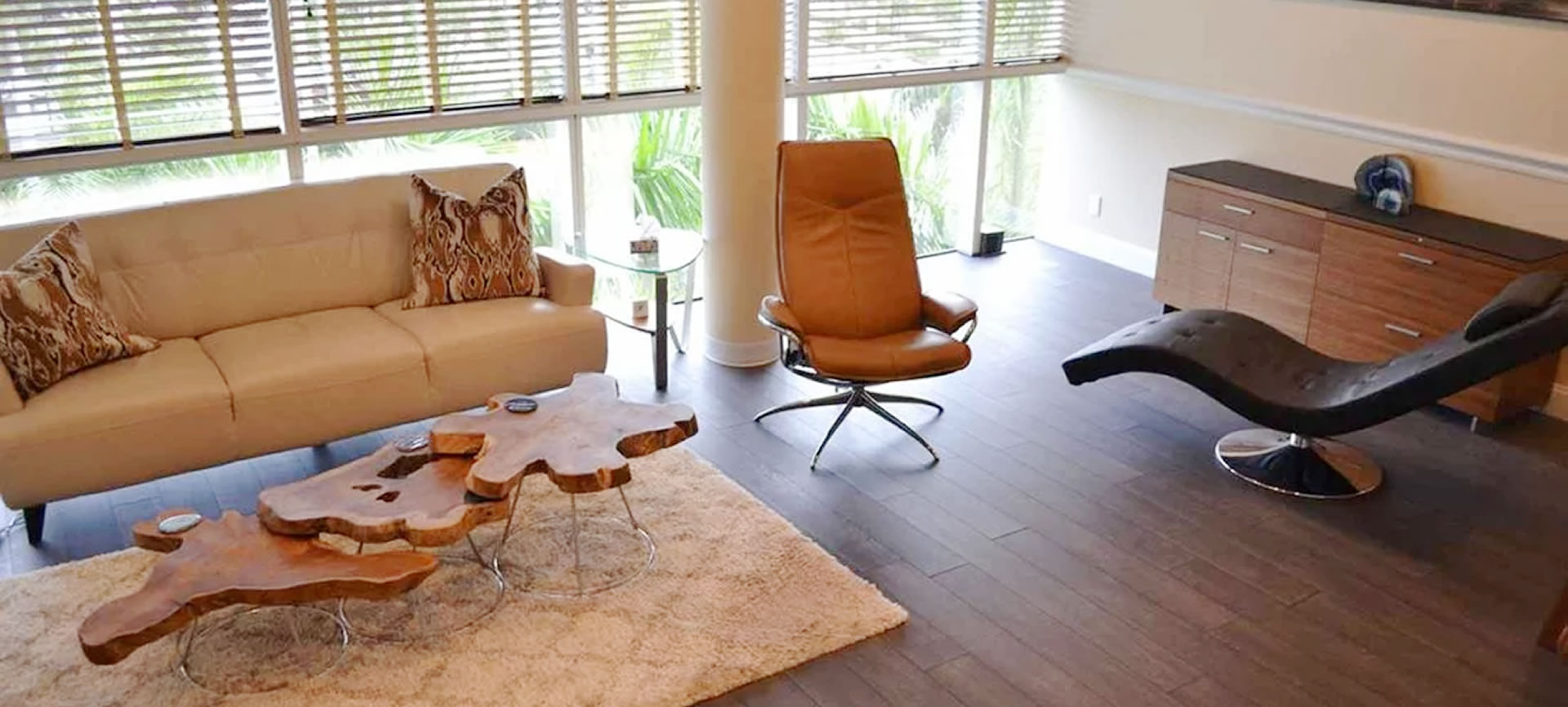
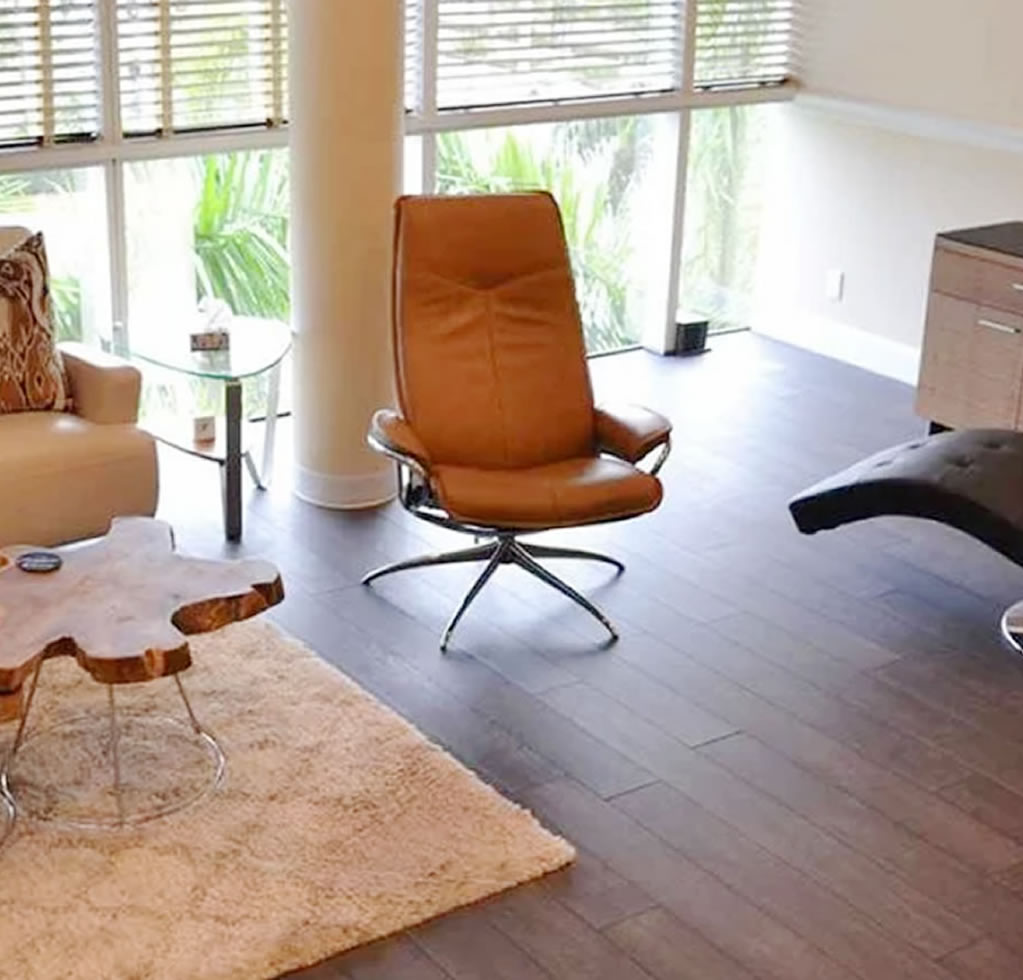
The practice has no receptionist. When a patient arrives for a session, there is no front desk to check in at, no staff member to greet them, and no interaction with anyone other than Dr. Steinbok. The waiting area is private. These are not incidental features. They are deliberate design choices made for patients who need to know that their presence in a therapist's office will not be observed, recorded, or shared.
Dr. Steinbok's practice operates entirely on a private-pay basis. No insurance company is billed. No diagnosis is submitted to a third-party database. Monthly statements are provided for patients who wish to seek out-of-network reimbursement from their insurance carrier, but the decision to submit those statements is entirely the patient's. For individuals who prefer that no record of therapy exists outside the therapist's own confidential files, that option is available. The structure of the practice exists to give patients control over their own information.
Most therapy practices offer confidentiality as a legal and ethical obligation. What they do not always offer is structural privacy, the physical and administrative setup that prevents accidental exposure. A traditional practice with a shared waiting room, a front desk staff, and insurance billing creates multiple points where a patient's presence or diagnosis could become visible to someone other than the therapist. For many patients, this is acceptable. For patients whose personal or professional circumstances make discretion essential, these exposure points represent a real barrier to seeking treatment. Some people delay therapy for years because they cannot find a setting that meets their privacy requirements.
Dr. David Steinbok's Boca Raton practice eliminates these exposure points. There is no shared waiting room where patients might encounter someone they know. There is no receptionist who handles scheduling calls or has access to patient information. There is no insurance filing that creates a diagnostic record in a third-party system. The practice is structured so that the only person who knows the patient is in therapy is the patient and the therapist. For individuals in Boca Raton and the broader South Florida area who have been hesitant to begin therapy because of privacy concerns, this structure removes the practical obstacles that have been standing in the way.
If privacy is a deciding factor in whether you pursue therapy, Dr. David Steinbok's practice in Boca Raton, Florida is built to meet that need. No receptionist, no insurance billing, no shared waiting room. He works with adults and adolescents across a range of concerns including anxiety, depression, relationship issues, anger, trauma, personality disorders, and the many personal situations that benefit from a confidential, judgment-free therapeutic relationship. Call (561) 362-9952 to schedule directly.
What Makes a Therapy Practice Structurally Private
How Insurance Billing Affects Therapy Privacy